

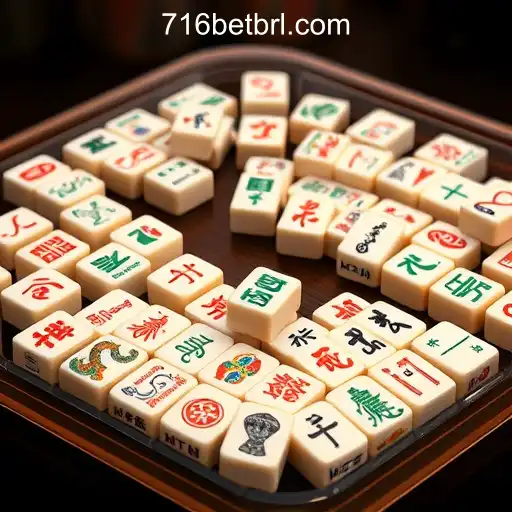
The Fascinating World of Mahjong: A Journey into Culture and Strategy
Mahjong, a captivating and centuries-old game, continues to intrigue and entertain people around the world. Originating from China, it combines strategy, skill, and a bit of luck to offer an exciting gaming experience. As players engage with colorful tiles adorned with Chinese characters and symbols, they delve into a rich cultural heritage that transcends borders. This game is more than just a pastime; it's a bridge into history and an opportunity to sharpen the mind.
The Origin and Evolution of Mahjong
Tracing back to the Qing dynasty, Mahjong was originally played by the nobility, evolving into a popular game across all social classes over time. The traditional game uses a set of 144 tiles based on Chinese characters. Each tile holds significance, from the suits of circles, bamboo, and characters to honor tiles like winds and dragons.
Throughout the years, Mahjong has undergone various transformations. Adaptations of the game have even found their way into Western cultures, highlighting its universal appeal. While the traditional rules are deeply rooted in Chinese culture, regional variations add unique flavors to the game, with slight rule modifications tailored to local preferences.
The Game Mechanics: How Mahjong is Played
A standard game is played with four players sitting around a square table. The objective is to create a complete set of tiles in groups of three, known as melds, through strategic drawing and discarding. The completion of a hand, called "Mahjong," wins the round. Understanding the scoring intricacies is essential, as it can be influenced by different factors such as the number of tiles drawn or the manner of winning.
Strategies in Mahjong are as numerous as they are complex. Some focus on speed, attempting to finish with the minimal set, while others concentrate on accumulating high-point hands. Well-honed skills in recognizing patterns can offer a player a competitive edge and heighten the tension with each tile drawn.
Mahjong in the Digital Age
With the digital revolution, Mahjong has transcended physical play, finding a home in online arenas. Platforms like 716bet.com online cassino Brasil #1 have embraced the game, allowing players from all over the world to experience its strategic depth without the need for physical tiles. Online versions often include variations that cater to both traditional players and those looking for modern twists...
Engaging a New Generation
The leap to digital has allowed Mahjong to engage with a younger, tech-savvy audience. Through vibrant graphics and interactive tutorials, these platforms introduce the game to a fresh demographic, while preserving its cultural roots. This transition ensures that Mahjong remains an ever-present feature in the world of gaming.
Connecting Communities
Playing Mahjong online transcends geographical divisions, creating a virtual community of enthusiasts. Language barriers diminish as players bond over shared strategies and experiences. In this digital landscape, a community is formed that is bound together by a shared passion for the intricate dance of tiles.
Regional Variations and Their Unique Appeal
While the core mechanics of Mahjong remain consistent, regional variations offer unique rule sets that enhance its appeal across cultures. The Japanese Riichi Mahjong emphasizes intense strategic gameplay, while in the United States, the American version with its joker tiles and card rules provides familiarity for local players. In Brazil, where 716bet.com online cassino Brasil #1 features such gameplay, adaptations present a brilliant fusion of tradition and innovation, enticing a diverse player base.
Each variation enriches the global Mahjong experience, offering players the chance to select a style that suits their preferences. From heated tournament settings to casual online gatherings, Mahjong’s adaptability proves to be one of its greatest strengths.
The Enriching Psychological Aspect of Mahjong
Beyond entertainment, Mahjong exercises the mind, demanding memory skills, concentration, and a keen eye for recognizing patterns. Studies suggest regular play can even improve cognitive functioning and delay the onset of dementia. This mental workout, combined with the need for strategic planning and adaptability, makes Mahjong a cerebral game appreciated by players seeking more than mere luck.
In each session, players develop decision-making skills, learning when to play aggressively or defend cautiously. Such insight is not only valuable in the game but also in daily life, where these skills find practical applications.
The Cultural Impact of Mahjong
As a deeply ingrained aspect of Chinese culture, Mahjong serves as a social activity that brings families and friends together. Despite its global proliferation, playing Mahjong offers an authentic cultural experience, connecting generations. Ancestors' legacies are passed down through gameplay, maintaining customs while adapting to new societal norms.
For those immersed in Mahjong at 716bet.com online cassino Brasil #1, the game offers an insight into a vibrant history, with each tile holding stories of majesty and tradition. It’s a game that speaks of a people's history and their way of life.
Future of Mahjong in a Global Context
As technological advancements continue to alter the landscape of gaming, Mahjong remains a staple, proving its timelessness. With platforms like 716bet.com online cassino Brasil #1 championing its reach, the game’s future looks bright. Whether played in person or online, in traditional settings or through innovative platforms, Mahjong’s legacy endures, inviting new generations to explore its rich tapestry.
Embrace the cultural phenomenon of Mahjong, where tradition meets innovation, and strategy meets social engagement. Dive into the world of tiles and strategy, where 716bet.com online cassino Brasil #1 meets a historic legacy, ensuring Mahjong remains a game for the ages.